



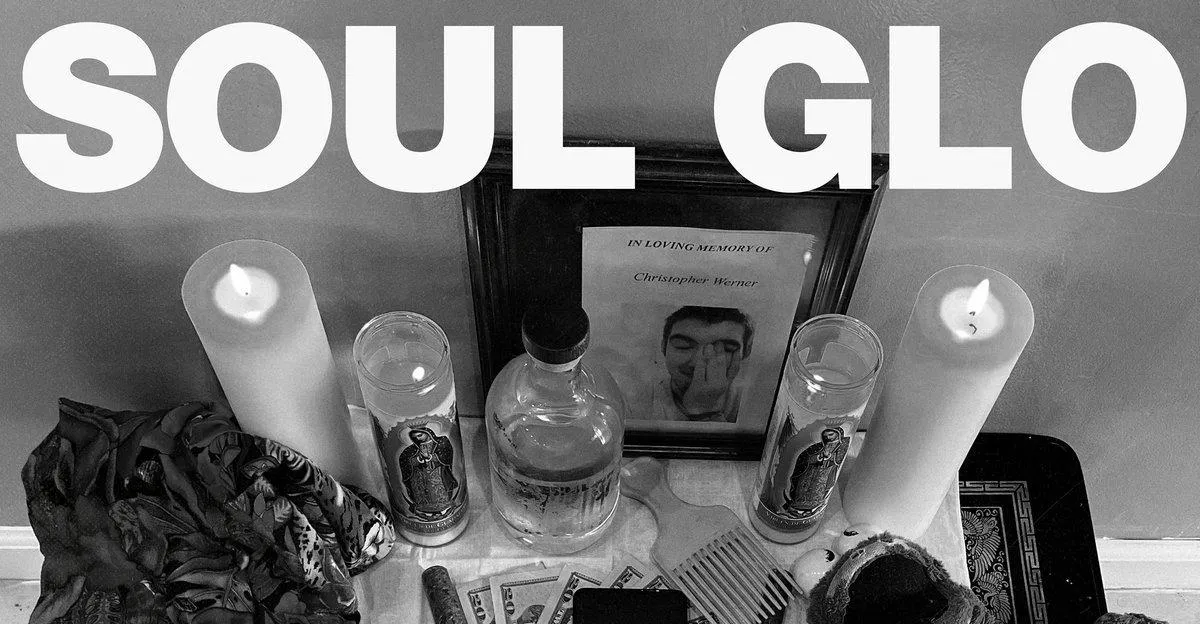
“Gold Chain Punk (whogonbeatmyass?)” is an opening salvo for the ages. Bong rip, into a catchy-as-hell hardcore riff, with frontman Pierce Jordan ranting. Then comes the half-time stomp as Jordan gets fully unhinged, screaming “Who gon beat my ass? Who the fuck gon beat my ass?” From here on out, as the music shifts through a few different sections, the energy never comes down. Jordan shreds his vocal cords, begging, “Can I live?” Before finally spelling it out for anyone still confused:
Say more, say less, it’s all the same
When it’s time to die we can meet outside
To see who gon feel my pain
The record barely lets up from here on out. “Coming Correct” opens with a cough and a steady 808, giving you literally three seconds to catch your breath before Jordan jumps on the mic shouting, “I try to listen the way, I wanna be listened to.” The song starts stacking elements quickly, reaching full firestorm by 25 seconds in, and then does let up for the rest of its three-minute runtime.
The front chunk of the record is just perfect unrelenting hardcore song after perfect unrelenting hardcore song. Jordan’s crazed charisma is undeniable as he ricochets between leftist rhetoric, goofy bits about smoking weed, and vulnerable explorations of his struggles with depression. You’d be forgiven for struggling to keep up with his rapid-fire delivery, which owes almost as much to modern rappers as it does to classic hardcore acts like Minor Threat or Bad Brains.
Track six, “Driponomics,” fully embraces those more modern influences with trap snares, wall-rattling 808 kicks, and a guest verse from Mother Maryrose. The sampled guitar calls to mind the sax squeals favored by the Bomb Squad… just heavier.
The album eventually culminates in “Spiritual Level Of Gang Shit,” which features guest verses from McKinley Dixon and Lojii over gently echoed guitar melodies and dub-inspired groove. Then, around the 2:20 mark, things take a turn as the guitars turn punishing and the drums shift to a standard hardcore beat. But the song hasn’t reached its final form yet. That comes almost a minute later when the horn section kicks in.
Next to other modern hardcore standard bearers like Turnstile, Soul Glo might almost seem like traditionalists heavily influenced by the DC scene. But Diaspora Problems shows their ambition and willingness to take risks. Soul Glo plays with genre, is confrontational in its politics, and is generally just uncompromising.
Oh, and they put on a hell of a live show (I’ve seen them at least four times now). Don’t miss their incredible Tiny Desk Concert either, which I’m pretty sure is the first mosh pit to even open up in the NPR offices.