



This drastic shift in priorities will likely change what the DCU looks like in the coming years as Skydance attempts to parlay its comics IP into projects that can help it get on top of the $80 billion of debt the company is now responsible for after acquiring WBD. Ellison’s instinct to whip out the A-list superheroes is probably right from a business perspective. Most casual DC movie fans are more interested in stories about the Trinity than obscure characters like Gorilla Grodd. But after two iffy attempts at creating interconnected DC movie franchises, that audience might not have much of an appetite for yet another full-on reboot.
Rather than starting from scratch, DC Studios should probably keep some of the things that worked well during Gunn and Safran’s tenure, like presenting Superman as a compassionate person with a strong moral compass. But if the studio really wants to take this franchise in a new direction that gets people excited, it should also be thinking about tapping into the energy of some of DC’s most successful recent comics. Though the WBD merger prompted Skydance to begin laying off almost 2,000 employees last month, DC Comics — which Skydance gained control of as part of the deal — was reportedly left unscathed because the publishing arm’s business has been performing surprisingly well. Much of that success seems to have been driven by strong sales of comics created by DC’s Absolute Universe imprint.
Launched in 2024, the Absolute Universe comics reimagine DC’s heroes and villains as wildly different versions of their classic selves. Absolute Wonder Woman is a witch raised in Hell, Absolute Superman first arrives on Earth as a teenager who remembers his childhood on Krypton, and Absolute Batman is a working-class civil engineer rather than a socialite born into immense wealth. The Absolute characters’ worldviews and approaches to enacting justice are all distinct from their mainstream universe counterparts. But as much as the Absolute comics diverge from established canon, they each capture the essence of what makes their central characters iconic pillars of the DC brand.
Wonder Woman aside, there have been so many cinematic portrayals of DC characters based on their classic selves that it has often seemed like Warner Bros. was stuck in a kind of rut. There have been slight stylistic differences between the various big-screen iterations of Superman and Batman over the years, but for the most part, they have all come across as the products of a studio that’s averse to trying new things.
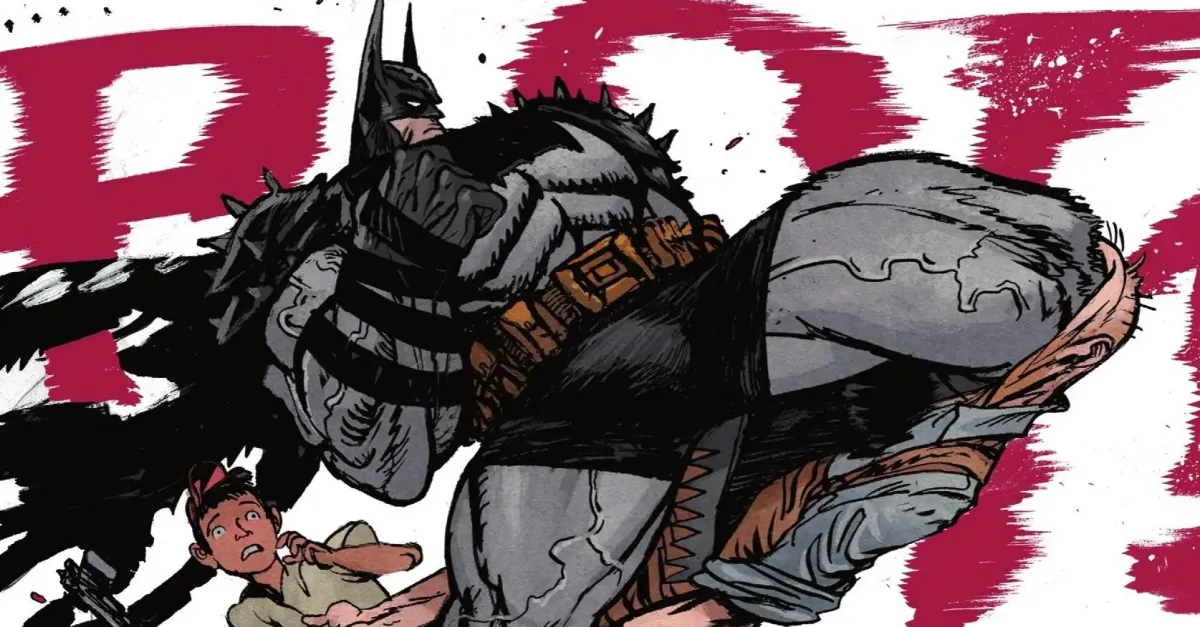
Absolute Batman is compelling because it inverts the established power structures that define most classic Batman comics.
That’s part of what made Matt Reeves’ The Batman— which didn’t bother to rehash Bruce Wayne’s tragic origin story — feel somewhat like a breath of fresh air when it debuted in 2022. Robert Pattinson will reprise his role as the Dark Knight in The Batman Part II, but it’s not really clear whether that version of the character will have any bearing on the DCU’s future.
Between Reeves’ Batman films existing in their own universe (similar to Todd Phillips’ Joker features) and Pattinson presumably being busy now that he’s been cast as Amazon’s new James Bond, it doesn’t seem likely that that version of the character will be incorporated into the DCU. Ellison obviously intends to put out more projects featuring Batman, though, and DC Studios could tell a riveting story if it took some cues from the hero’s Absolute incarnation. What makes Absolute Batman such a compelling series is the way it inverts the established power structures that define most classic Batman comics. In those books, Bruce Wayne is part of Gotham’s marginalized underclass, while the Joker is a moneyed elite whose villainy is highlighted in the way he manipulates various industries.
This inversion puts Absolute Batman in a position to operate as a vigilante with a much deeper connection to the ordinary people he has sworn to protect. Monstrous supervillains like Poison Ivy and Bane are still major threats, but the comics also spend time pitting Absolute Batman against more ordinary evils like corrupt police departments infested with white nationalists fixated on terrorizing minorities. Absolute Batman’s progressive political overtones might not align with Ellison’s personal sensibilities, and the comic’s brutality probably doesn’t align with Latcham’s approach to making films. But Absolute Batman’sphenomenal sales have made it abundantly clear that readers are enjoying these stories, which is likely a big part why DC Studios announced earlier this year that it has plans to produce an animated series based on the comics.
Those plans might change in the wake of Skydance acquiring WBD, but an Absolute Batman series would give DC Studios an organic way to introduce the character into its tentpole films. Having characters jump back and forth between TV and the big screen was one of the stronger ideas Gunn introduced to the DCU, and it’s a strategy that could continue to benefit DC Studios under Latcham’s leadership. Turning Absolute Batman into the next flagship Bruce Wayne would be a bold move on Skydance’s part. But if the studio really wants to prove that this megamerger was the right decision, it needs to show the public that it has the guts to take exciting chances.