



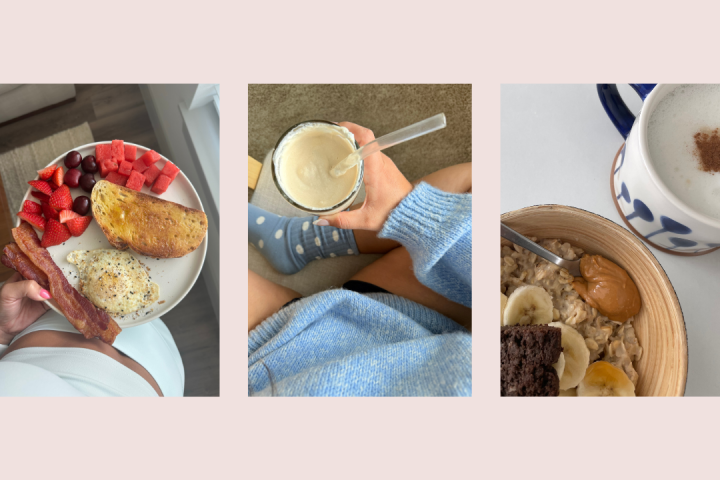

We’re living in the golden age of protein, where “high-protein” everything—from bars and cereals to popcorn and ice cream—has taken over grocery shelves, and TikTok has us turning cottage cheese into pancakes, pizza, and even cookie dough. At one point, we were all scrambling to find foods that were cheaper and packed more protein than eggs—the obsession with the macronutrient is hard to ignore. The protein craze isn’t going anywhere, but unlike some wellness trends, its health benefits are backed by research. Protein does a lot of the heavy lifting when it comes to building and repairing muscle, supporting hormone production and metabolism, and strengthening immune and gut function.
With some experts recommending 30 grams of protein at every meal while others say “enough” protein means one gram per pound of body weight a day, it’s no wonder so many of us are still left asking, How much protein do I actually need? Ahead, a nutritionist breaks down how much protein women actually need to feel their best, plus why it’s so hard to hit your protein goals.
Experts Consulted
At The Everygirl, we believe that wellness advice should be grounded in accurate, science-backed information to ensure our readers can make informed decisions about their health and well-being. That’s why we prioritize consulting trusted, credible experts—so every piece of content is both reliable and empowering.

Dr. Federica Amati is the head nutritionist at ZOE and the nutrition topic lead at Imperial College School London Faculty of Medicine. She is also the author of Recipes for a Better Menopause and Sunday Times Bestseller Every Body Should Know This.
Why Do We Struggle to Get Enough Protein?
You may have every intention of starting your day with a high-protein breakfast, but then real life happens: your first meal ends up being a protein shake and half a bagel something quick and easy you grab on the way out the door, lunch becomes a sandwich you got on the go or the takeout your office ordered, and before you know it, you’re trying to make up for it with a giant piece of chicken at 7 p.m. “The problem is often less about ‘not enough protein’ and more about how protein is spread across the day, the quality of protein sources, and what else is happening in someone’s life or body,” explained Dr. Federica Amati, PhD, head nutritionist at ZOE.
Dr. Amati noted that she notices people (especially women) tend to under-eat protein mainly at breakfast and lunch. Breakfast is traditionally carbohydrate-led—think toast, cereal, pastries, bagels, fruit—while lunch is a rushed desk meal or a light soup or salad that doesn’t offer much protein unless we intentionally add it. Women are also more likely to go through periods of restrictive dieting, reduced appetite, or skipping meals, all of which can make it harder to consistently meet protein needs overall. Years of diet culture messaging around eating less during the day or “saving” calories for dinner can reinforce those habits, making it that much more difficult to prioritize protein at breakfast and lunch.
Total daily protein intake matters, but Dr. Amati shared that some research suggests spreading protein more evenly across meals may be more beneficial for muscle protein synthesis, the process your body uses to build and repair muscle. “That’s because your body can only use a certain amount of protein at one time for this process,” Dr. Amati explained. “So rather than trying to squeeze most of your protein into one meal, it’s more practical—and likely more effective—to include a quality source of protein at each meal.”
Read: 5 Signs You’re Not Eating Enough Protein
Is There One Meal Where I Should Prioritize Protein the Most?
Between viral weight loss and gut health routines (see: the 30-30-30 and 30-30-3 methods), having sufficient protein first thing in the morning seems like the gold standard. But is breakfast really the most important meal of the day when it comes to protein? Dr. Amati said yes—for a few good reasons. “First, breakfast is often one of the lowest-protein meals of the day, so it’s a simple place to make a meaningful improvement,” Dr. Amati explained. “If you start the day with very little protein, it can be harder to catch up later.”
A breakfast that includes protein—like Greek yogurt or kefir topped with nuts and seeds, eggs with avocado, or whole-grain toast paired with smoked salmon and cottage cheese—is also more likely to keep you feeling satisfied and energized until lunch than the classic grab-and-go breakfast of coffee and a pastry or a bowl of sugary cereal. So instead of finding yourself on the hunt for a snack an hour later or feeling a mid-morning crash, you may notice steadier energy and fewer mid-morning cravings.
But Dr. Amati emphasized that prioritizing protein at breakfast doesn’t mean reaching for a protein powder or bar. Rather, it’s about building your meal around whole-food protein sources. “Think carefully about what kind of protein you’re eating and where it comes from,” she said. “If you’re relying on ultra-processed ‘high-protein’ bars and shakes to hit a target, you may also be getting lots of additives, salt, and sugar.” Focus on high-quality protein foods like beans, lentils, eggs, fermented dairy, and minimally processed whole grains, which can deliver fiber, polyphenols, and gut health support alongside protein.
Read: 15 High-Protein Breakfast Ideas for Healthy Hormones, Metabolism, and Energy

How Much Protein Do I Actually Need?
Short answer: There isn’t a single magic number that applies to everyone. Dr. Amati noted that’s one of the most important takeaways in a time when “high-protein” marketing can make it seem like we should all be chasing the same lofty target. In reality, your protein needs can vary depending on your age, sex, body composition, activity level, and life stage. So how much protein should women actually shoot for? While you should talk to your doctor or nutritionist about your individual needs, Dr. Amati suggested a few basic principles for different goals or lifestyles.
*Note: Because protein recommendations are based on your body weight, we’ve included examples for a 140-pound woman to make the math easier. If you weigh more or less, your ideal protein intake may be slightly different.
- If your goal is weight loss: Aim for about 90–100 grams of protein per day if you weigh around 140 pounds (1.4–1.6 grams of protein per kilogram of body weight per day, depending on activity level)
- If you are sedentary or low activity: Aim for about 65 grams per day if you weigh 140 pounds (1 gram per kilogram of body weight per day).
- If you are moderately active: About 75–80 grams per day if you weigh 140 pounds (1.2 grams per kilogram of body weight per day)
- If you are very active: Aim for about 90 grams per day if you weigh 140 pounds (1.4 grams per kilogram of body weight per day)
- If you do strength training or bodybuilding: Aim for 100+ grams per day if you weigh 140 pound (1.6 grams per kilogram of body weight per day or more for people doing consistent, heavy resistance training).
- If you’re pregnant or breastfeeding: Aim for about 80–85 grams per day if you weigh 140 pounds (1.3 grams per kilogram of body weight per day to support both your body and your baby’s growth).
- If you’re in perimenopause: Aim for about 75–80 grams per day if you weigh 140 pounds (1.2 grams per kilogram of body weight per day to help support muscle maintenance as estrogen levels decline).
How to Get Enough Protein Without Tracking Every Gram
You already have plenty to keep tabs on—your work deadlines, your calendar, your endless to-do list. The last thing you need is doing constant math on your protein count. Though calculating your daily protein consumption works for some people, it can make eating feel more complicated (and frustrating) than it needs to be, especially if you’re fixating on the numbers.
Dr. Amati’s advice is to use a practical visual cue: Make sure every meal includes a palm-sized portion of a whole-food protein source. “You don’t need to track every gram of protein to know whether you’re getting enough,” she said. “A simpler approach is to ask yourself whether each meal includes a good source of protein. If you’re including a portion with breakfast, lunch, dinner and perhaps a snack if you need one, you’ll likely be meeting your protein needs without overcomplicating it.”
Remember, quality matters, too. Don’t just zero in on the number of grams of protein on a label—aim to choose protein staples that bring other nutrients to the table, such as beans, lentils, tofu, nuts, seeds, and oily fish. These foods provide more than a protein boost—they come with fiber, healthy fats, vitamins, and minerals that support your body beyond simply meeting your protein goals.
Read: What to Eat This Week: A High-Protein Meal Plan for Busy Women

Katherine Chang, Wellness Staff Writer
Katherine Chang is The Everygirl’s Wellness Staff Writer with over five years of experience in the health and wellness space. She navigates the latest wellness topics and trends through expert interviews and studies, and she’s always first in line to try them firsthand.
Feature graphic images credited to: Jayda Anderson | Dupe, Brianda Felix | Dupe, Pauline Hagen | Dupe
The post How Much Protein Do You Actually Need? Experts Explain appeared first on The Everygirl.