



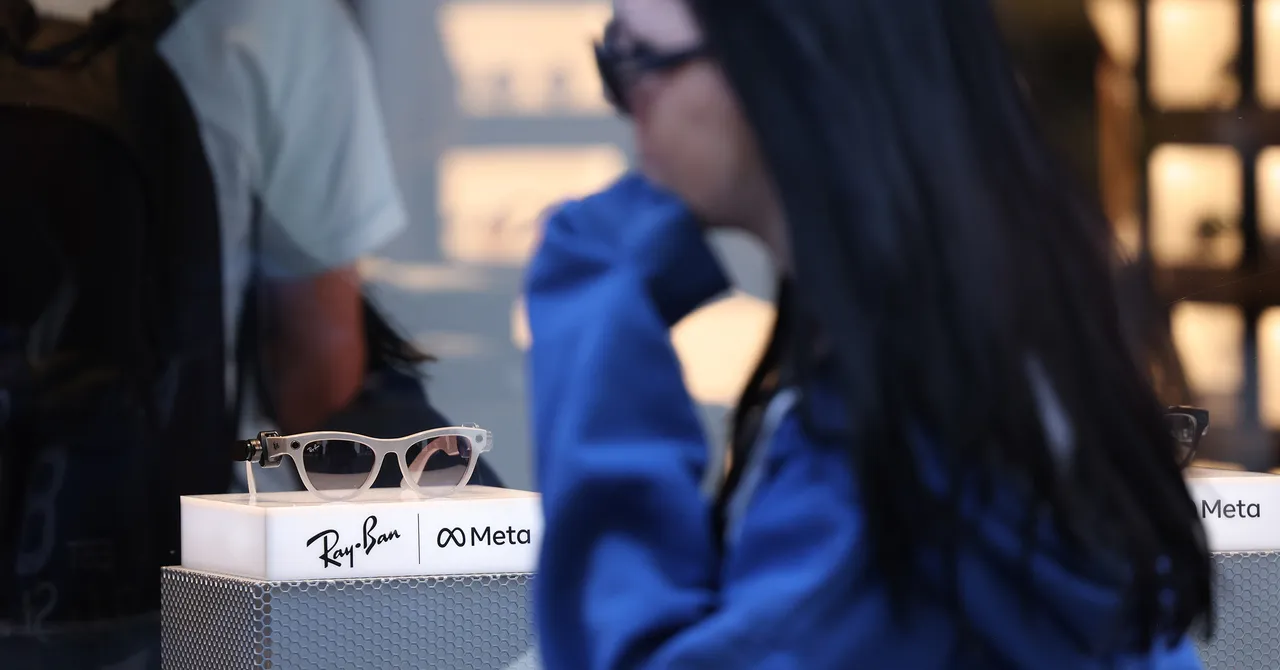
Face computers are on the upswing, as companies, massive and tiny, are all vying for nuggets in the smart-glasses gold rush.
That also means the industry is garnering its fair share of criticism, mostly focusing on the fact that creeps can abuse camera-equipped smart glasses to capture photos and videos of people without their knowledge or consent.
The prime target for such criticism is the biggest company in the space, Meta. The company’s smart glasses can capture images, audio, and video of whatever and whoever the wearer is looking at. That alone is enough to alarm anyone concerned about protecting their privacy. Meta’s smart glasses do have an indicator light to warn bystanders when they’re being recorded, though some Meta users have figured out how to bypass those safety features and disable the lights. More recently, the company has added anti-tamper features that disable the glasses if a user has meddled with them.
Other concerns about the glasses have continued to mount. Earlier this year, Meta programmed a feature that, if enabled, would add face-recognition technology to its smart glasses. After a WIRED report exposed this feature, Meta then deleted the code from its app. Meta CTO Andrew Bosworth verified the existence of the feature, called Name Tag, on The Atlantic’s podcast The Most Interesting Thing in AI.
(At an event in June, Meta also said it’s considering adding camera-free smart glasses to its lineup.)
This conversation around privacy and smart glasses is only going to grow as other big tech companies—notably Google and Samsung—enter the space later this year. Apple is also reportedly working on smart glasses that could arrive in 2027, though it has reportedly delayed production to address the privacy issues.
As invasive as the technology can feel, lots of people really do want and like their smart glasses. Meta has sold tens of millions of units, and despite impassioned debates about privacy among tech watchdogs and the general public, the company’s glasses are selling better than ever.
People have found genuinely useful reasons to wear the glasses, whether it’s quickly snapping a picture or a GoPro-style video of a sick mountain bike run. There are also accessibility use cases that artificial intelligence can help with, like real-time captioning of spoken conversations and Meta’s partnership with Be My Eyes, which helps visually impaired people interact with the world around them by activating the glasses’ camera.
Smaller brands have tried to appeal to the anti-Meta crowd with privacy-focused smart glasses. Even Realities, for example, makes smart glasses without cameras in a deliberate attempt to differentiate from Meta’s offerings. Other glasses, like the new Solos frames, come with a privacy shield users can pop over the camera lenses in sensitive environments.
“The fact that it’s even a discussion point is really great for the industry,” says Matt Margolis, vice president of business development at Vuzix, an enterprise optics manufacturer. “If it didn’t matter, it wouldn’t be a point of focus, which means we’re really close to having critical mass of products into the market.”
.jpg)