



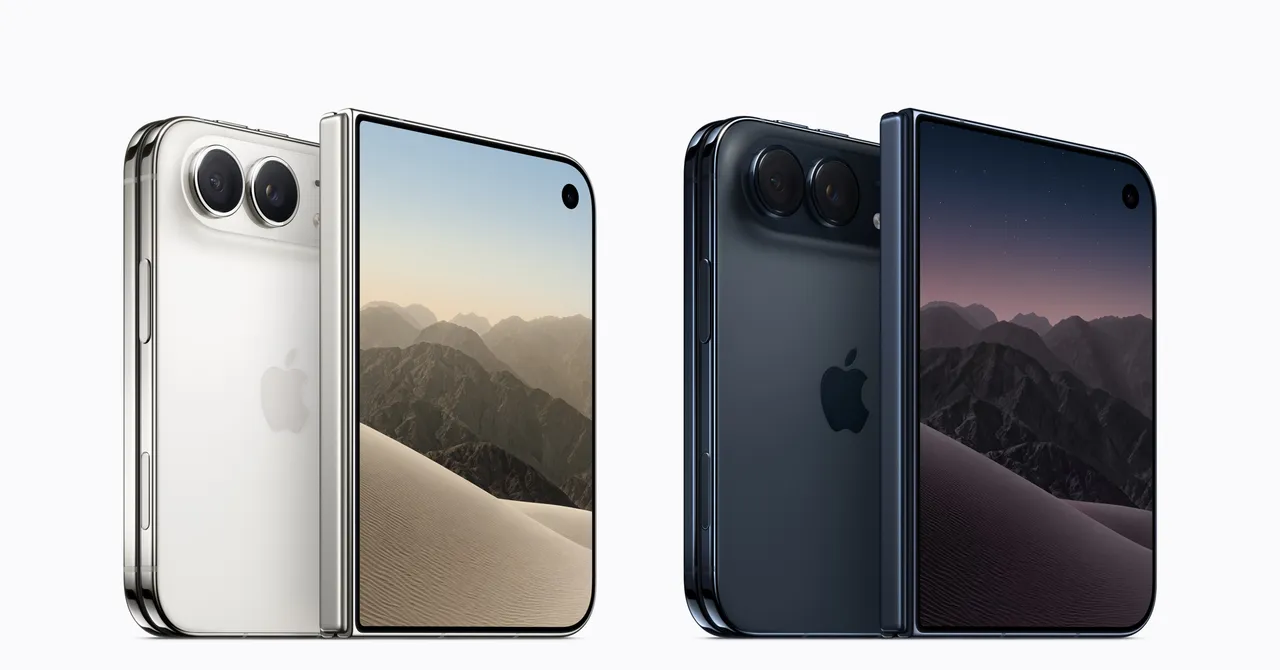
Popal says a recent IDC survey asked consumers whether they were interested in buying a foldable smartphone when it was time to upgrade, and 60 percent said they are not likely to buy one. However, when asked if Apple released a folding smartphone, almost 33 percent said they “absolutely” would.
“Apple has such a strong market pull,” Popal tells WIRED. “The average consumer didn’t know about [memory price increases] until Apple made an announcement that they’re going to increase prices. “Coming into foldables, it’s going to create overall excitement for the category. And it’s good for the consumer, too. It’s always good to have more competition and more choice.”
One area of concern is the device’s durability and repairability, as folding phones are notoriously more prone to damage and are tough to fix. Elizabeth Chamberlain, director of Sustainability at iFixit, tells WIRED her team has never taken apart a foldable they’d call truly repairable.
“Manufacturers have come a long way since the Galaxy Fold first dropped,” she says. “But the gains in durability haven’t come with gains in repairability.”
New Economics
While Apple announced three premium iPhone models today, it is not releasing the base iPhone 18 this year—marking the first time it’s breaking up the launch cycle of the core iPhone lineup. Instead, the iPhone 18 is expected to launch in the spring of 2027 alongside the iPhone 18e and second-generation iPhone Air.
Despite the eye-watering price and the current economic climate, Popal says the iPhone Duo is “guaranteed to be a blockbuster.”
“Apple defied all odds and broke the $1,000 barrier when they first launched the $1,000 smartphone,” Popal says. “Yes, there’s going to be sticker shock, but Apple caters to a very high-end consumer segment who can afford it.”
Over the summer, Apple introduced a new iPhone leasing program to help ease the price of its phones on consumers’ wallets, and it’s likely to prove popular with the uber-expensive iPhone Duo. Chamberlain says that for people who replace their phone regularly, it gives them a path to do it where the device gets back into the reuse stream and boosts the refurbished market, which isn’t a bad thing for electronic waste. However, Apple’s leasing agreements mean the device needs to be returned in the condition it was received.
“iFixit is committed to the idea that you should own your shit,” she says. “You should be able to repair things, modify things, hack your own devices. It’s sad to see the tech world move away from that principle, and Apple encouraging people to lease devices instead of buying them.”
This is a developing story. Check back for updates.