



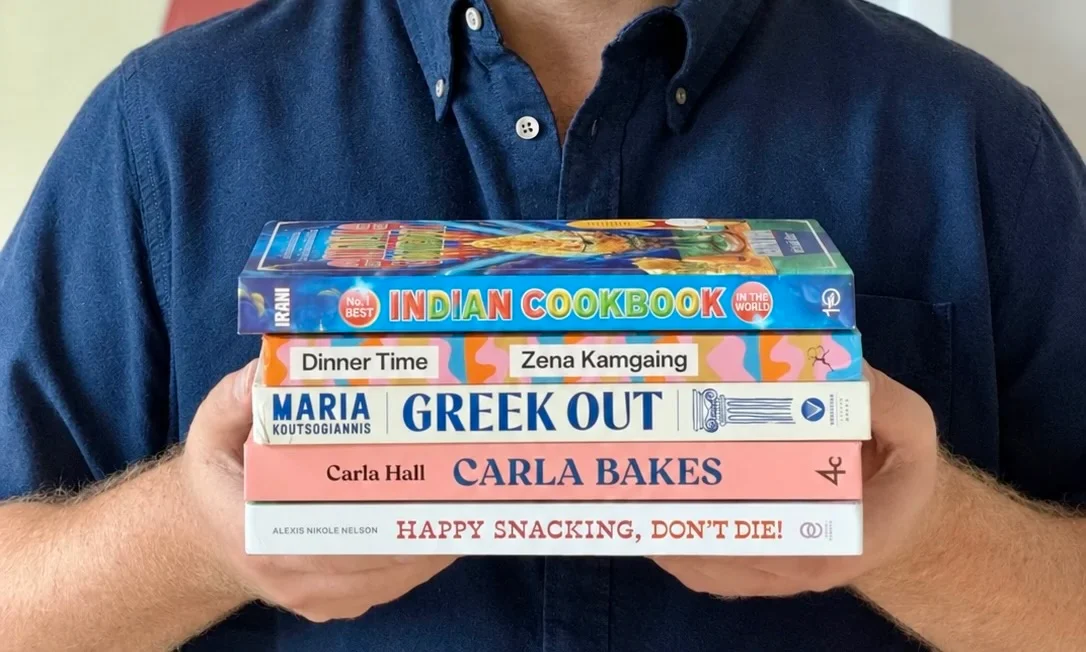
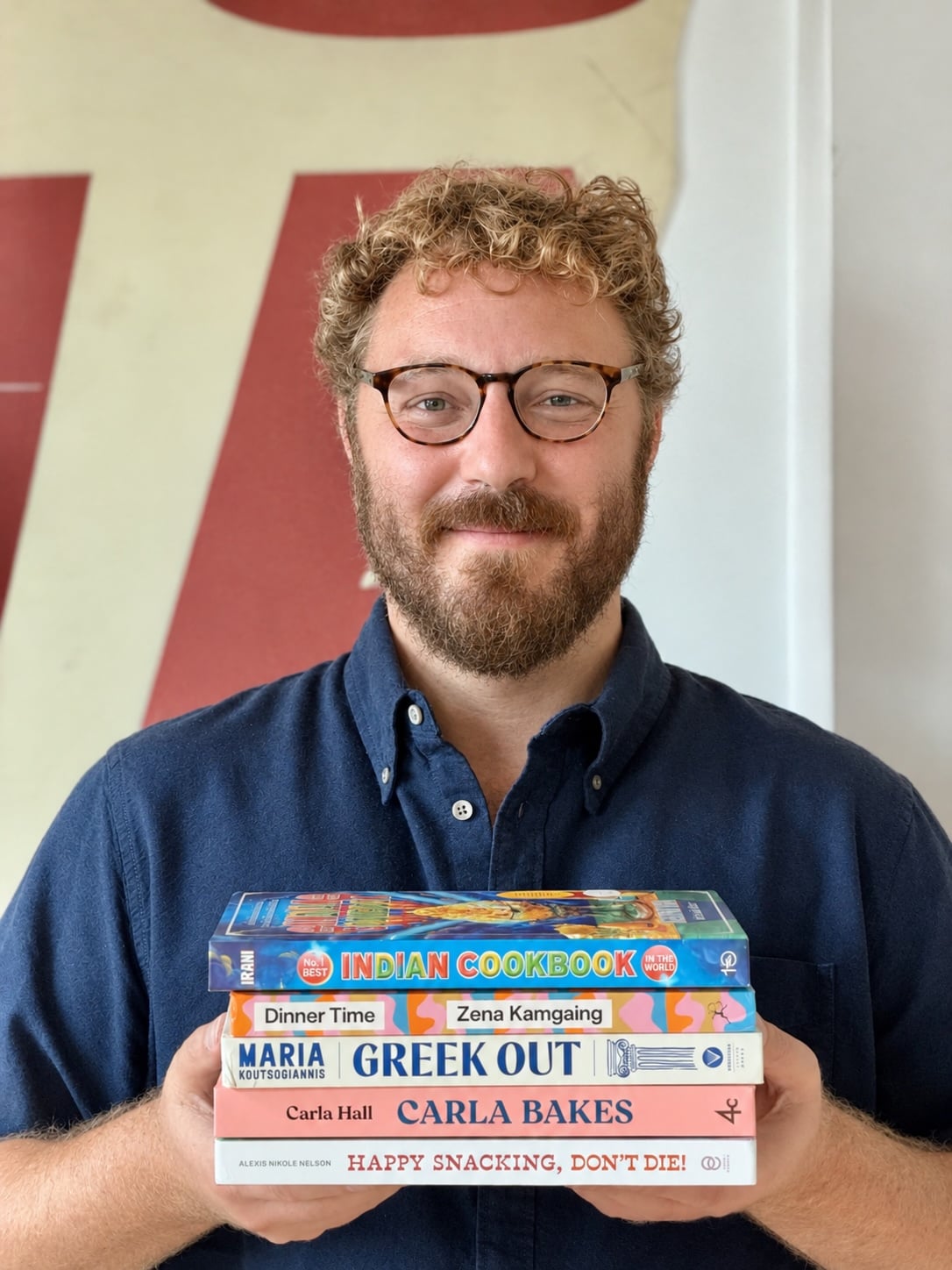
I’m happy to say I have another new series for you! Every month, I’ll take you inside a new cookbook and share a recipe, a conversation with the author, and plenty of photos. First up is No. 1 Best Indian Cookbook in the World by Meherwan Irani.
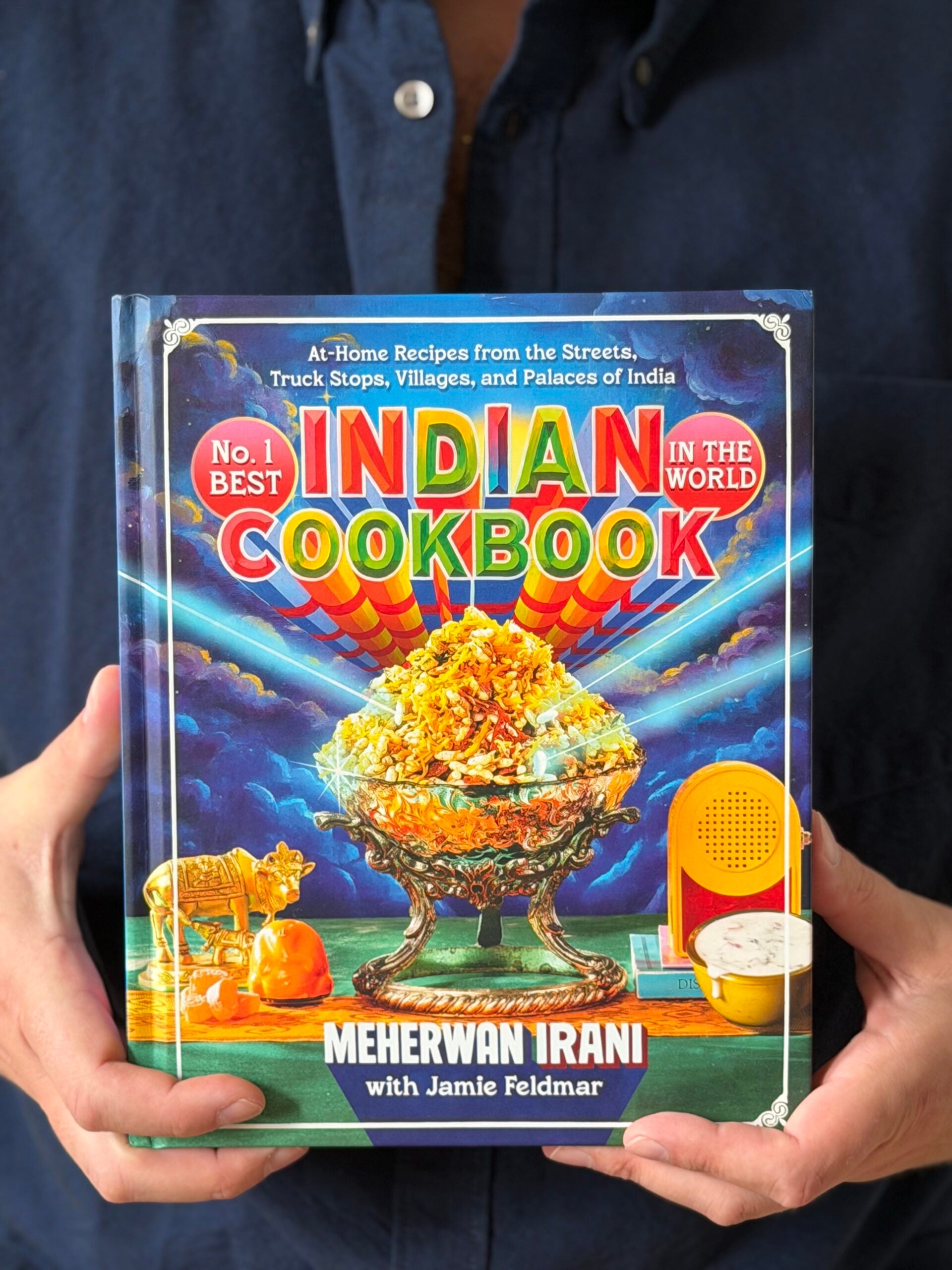
Meherwan is the James Beard Award-winning chef behind the Indian street food restaurants Chai Pani and Botiwalla; the founder of the popular spice company Spicewalla; and now a debut cookbook author. Since this book arrived on my doorstep, I’ve been reading, lol-ing, and cooking from it non-stop.
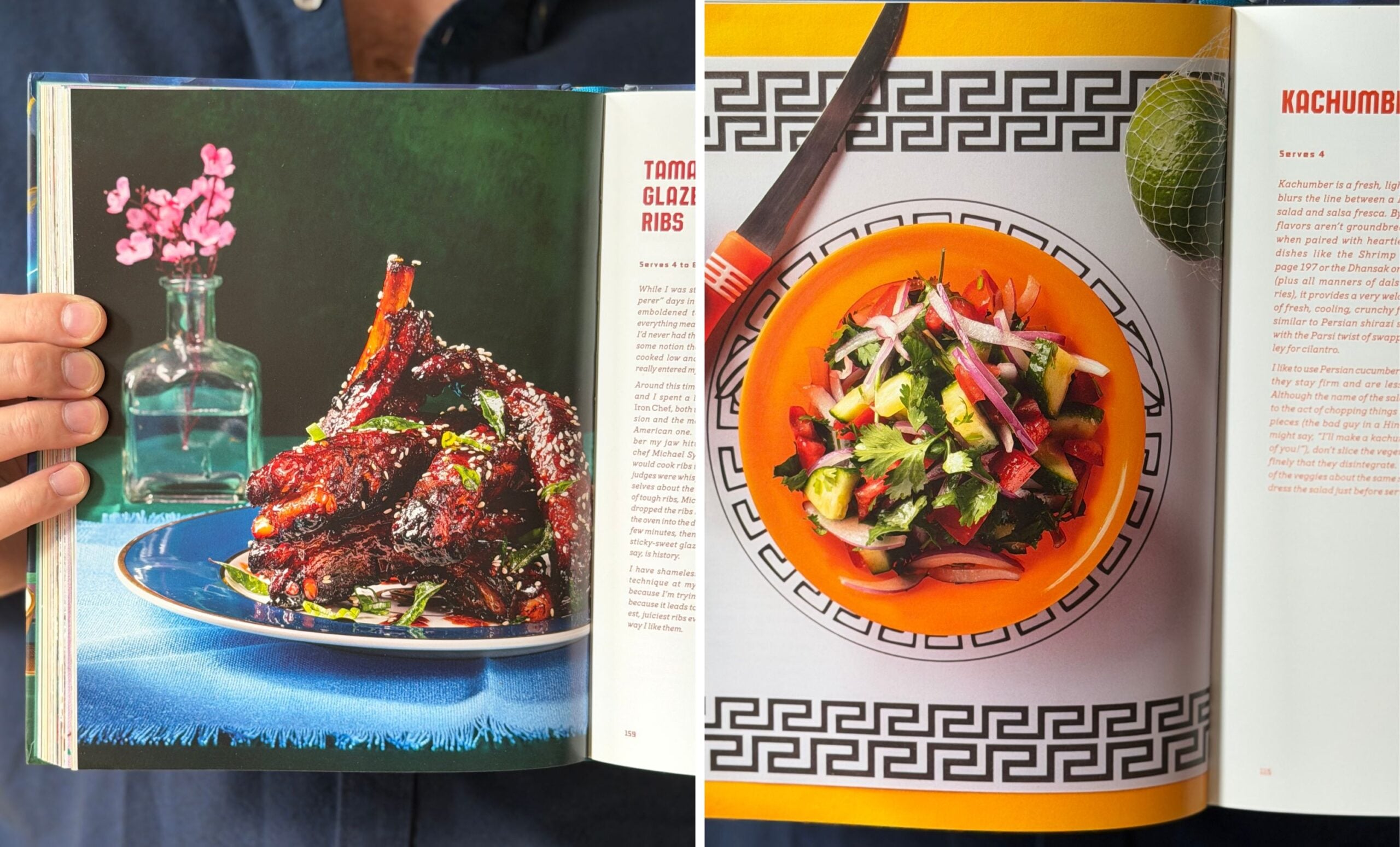
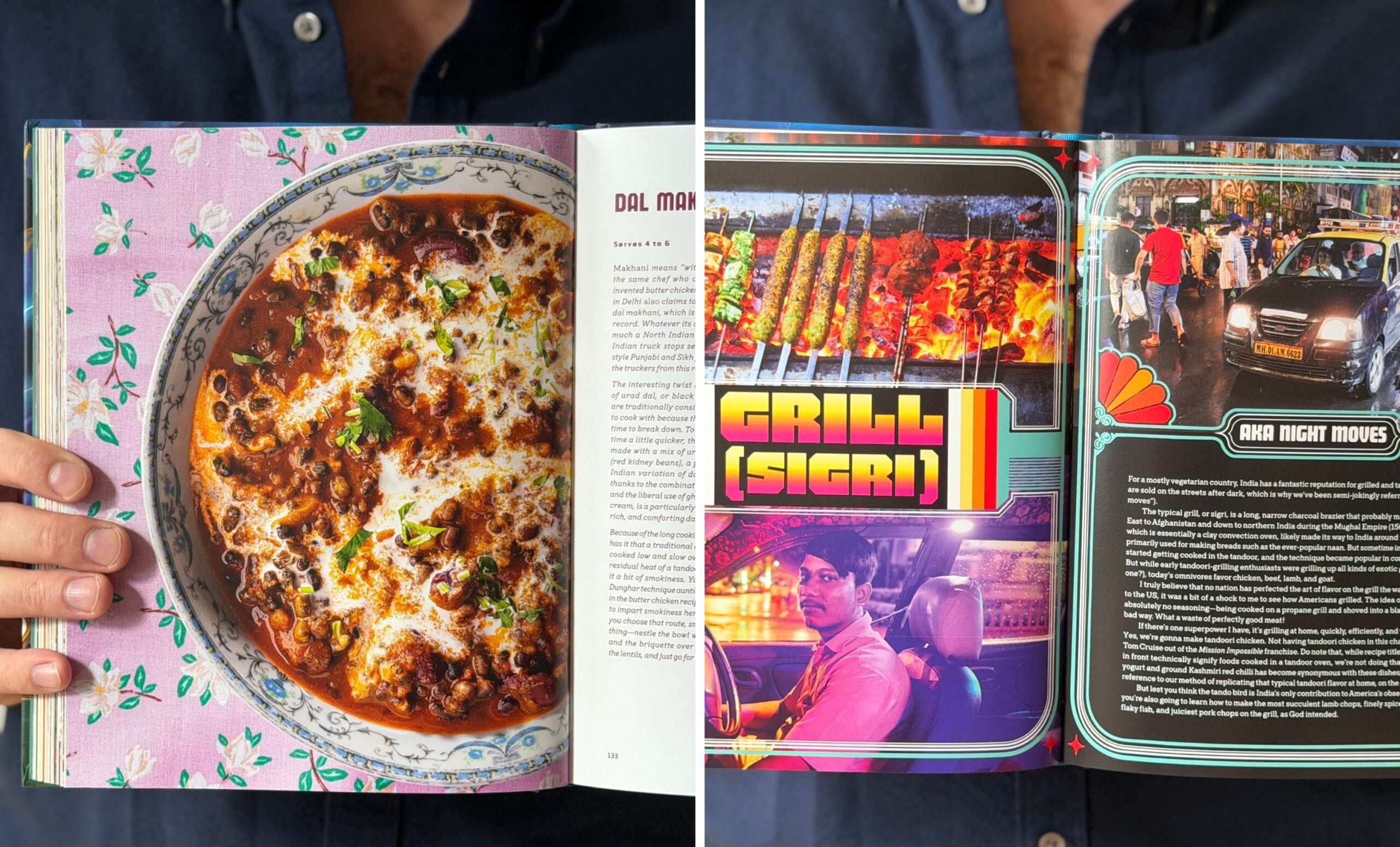
There’s basically everything you could want to eat: chaat, sandwiches, grilled dishes, desi Chinese food (chili chicken lovers unite!), roadside truck stop cooking, drinks, and desserts. Of course, there’s a butter chicken and a recipe called The Obligatory Saag Paneer. But the chapter on home cooking is what I’ve really been working my way through: a beautiful vegetable pulao, masala-seasoned green beans that are probably the only way I’ll be making them from now on, Mom’s Quick ‘n’ Easy Potatoes (they are in fact really quick and wicked easy), and My Grandma’s Dal, which might be my favorite thing so far.
Beyond the food, the personal essays and asides (there’s even An Aside About Asides) make this book a treasure trove for anyone endlessly fascinated by the complex history of Indian food. Topics include Auntie Holdbacks, Why There’s No Fucking Naan in Here!, A Curry By Any Other Name, and What Makes Chai Chai. He opens the book by saying, “My name is Meherwan Irani, and I’m here to tell you that Indian street food is the best food on the planet.” Now, 288 pages later, I’m ready to agree.
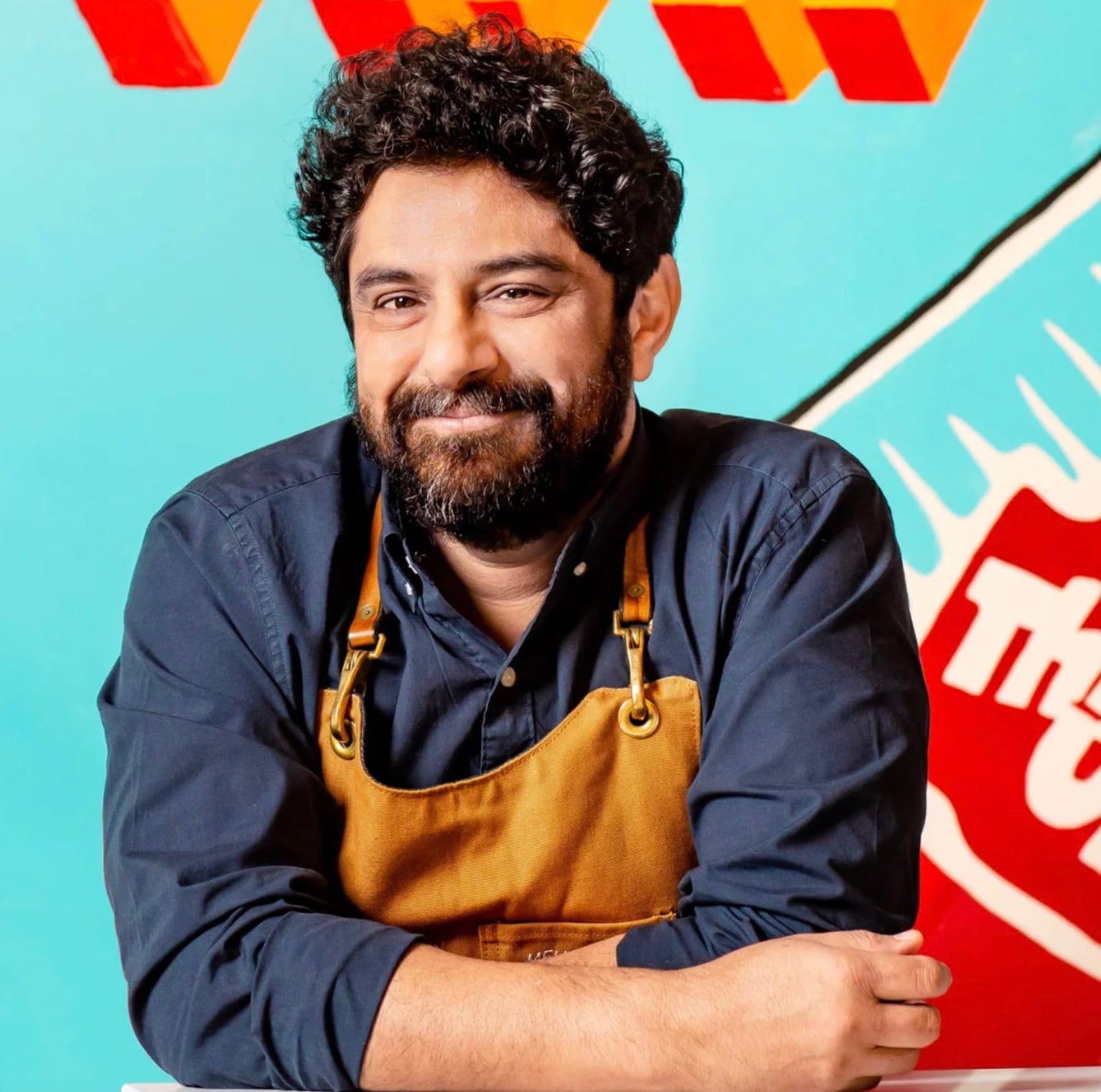
Meherwan and I got to sit down the other day for a chat, and our conversation inspired me in a million ways. Here’s a condensed version:
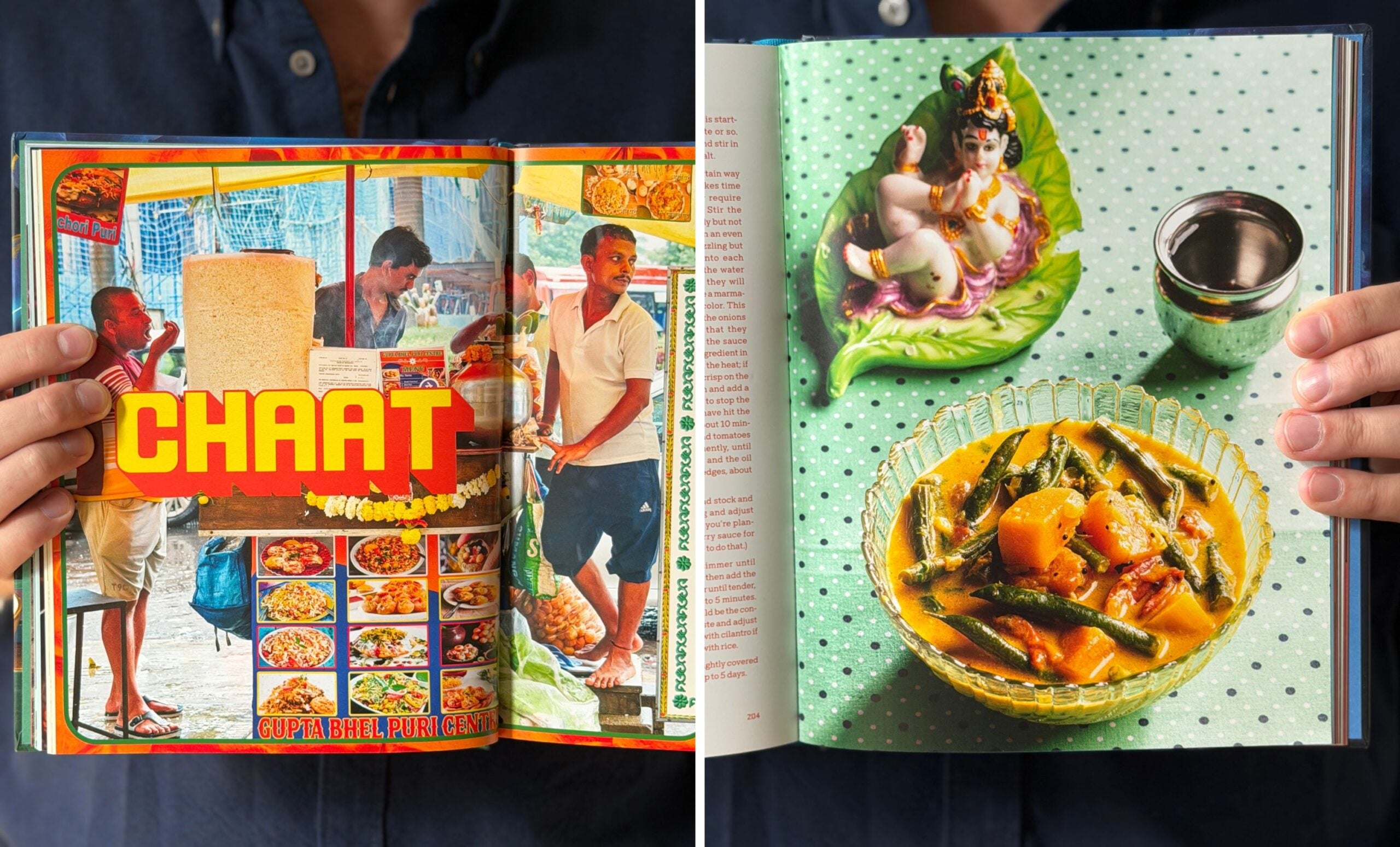
Casey: This book doesn’t look like any other cookbook on my shelf. The design is loud and funny and filled with visual interruptions — it almost feels like I’m walking down a street in India.
Meherwan: When I sat down with our designer, Mikey Files, I said, ‘I want the cookbook to feel like you’re in one of our restaurants.’ We’re always trying to create a sense of place. I really like the way you put it, that it feels like you’re strolling down the streets of Mumbai, visiting these various hawker stands.
When you look at the street food scene in India, art is a huge component. The rickshaws, the Tata trucks, every street cart — they’re decorated in styles that are bold and audacious, but also brilliant. The canteens, the Irani cafés, the little desi Chinese restaurants each have their own visual language, too. The closest comparison in America might be an old Pizza Hut. Even if it’s a Foot Locker now, you look at the roofline and go, ‘I’m pretty sure that used to be a Pizza Hut.’
‘No. 1 Best Indian Cookbook in the World’ is a phenomenal title. There are recipes that come from your mother, recipes from your childhood, recipes you found traveling through India, recipes that reflect the influence of Western and neighboring Asian countries — really, the definition of ‘Indian food’ is incredibly broad. How did you decide what belonged in this book?
Calling a cookbook from a part of India an ‘Indian cookbook’ would be like taking a cookbook from Spain and calling it a ‘European cookbook.’ Culinarily speaking, the regions of India are really distinct, so if you’re going to write a book about the cuisine of India, you have to find the throughlines. For me, one of those throughlines has always been the street food. You can find an aloo tikki from north to south. You’ll find pani puri called different things in different parts of the country. To me, street food is the most democratic, egalitarian, pan-Indian food.
The second thing I wanted to convey was that people have this idea of Indian cuisine being ‘traditional’ — that there’s an ‘authentic’ version and a version that has been Westernized. I take issue with that idea, because when does the clock start and when does it stop? We’ve been cooking food as a civilization for at least 5,000 years, and things we now think of as essential to Indian cuisine — chilies, tomatoes, potatoes, bell peppers — are relatively recent arrivals. Indian food is meant to evolve. People come from all over the world and exchange ideas, and people from different parts of India exchange ideas.
You see that especially on the streets, where the rules get thrown out the window. Every street vendor, even one a block away from another, might have their own version of the same dish. And the same thing happens with home cooking. Somebody might say, ‘This isn’t authentic.’ And I’m like, ‘At whose house?’ Because I guarantee you, if you go a couple blocks down the street to another auntie’s house, it’s completely different there. So, that’s how I chose what belonged: the stuff I love and seek out when I’m in India, but also food that reflects that idea of Indian cuisine as evolving, pan-regional, and not bound by tradition.
You say you want this to become the most used Indian cookbook in the world — and it already is in my house! What did you have to unlearn as a restaurant chef to write recipes that a home cook could actually accomplish?
It’s funny, I actually had to unlearn how to be a home cook to open a restaurant. I wasn’t classically trained. All I knew was how to cook at home. For the book, the challenge was taking a cuisine that traditionally involves a lot of labor and getting it to a place where one person can bang it out. Throughout the book, I keep saying: If you don’t have this, don’t worry. Buy it pre-cut. Buy it premade. I’m a huge fan of high-quality frozen vegetables. Do you really want to blanch spinach in salted water and then dunk it into an ice bath? I don’t either!
I think a lot of cookbooks try to make you feel like a chef by teaching you to do everything the chef-y way. But I want to give people license to take the shortcut. I want to be the guy who says, ‘Go to the grocery store, buy the damn frozen spinach, and you’ll have dinner in 10 minutes.’
If I want this book to actually change the way I cook — not just teach me five great Indian recipes — what’s a habit you hope I’ll pick up while cooking from it for six months?
First, I hope you will learn more from making mistakes than you will from nailing the recipe. Growing up in India when I did, it was a fairly patriarchal hierarchy, so my mom never taught me how to cook. When I started cooking Indian food for myself in my dorm room in South Carolina, I made a lot of mistakes, but that’s how I learned. This is what happens when mustard seed burns. That’s what happens if you crowd the pan and don’t get a good sear. What you learn from fixing your mistake sticks with you.
And if you don’t mind screwing up, the second thing follows naturally: You can be fearless with experimentation. The recipe calls for kale pakora and you don’t have kale but you have chard? Try it! Maybe you’ll come up with something incredible.
I wanted this to be the Indian cookbook where somebody looks at a recipe and goes, ‘Oh, this is 30 minutes, and I think I have most of what I need.’ Because once you’re cooking without being afraid of messing it up, that’s when you actually start to cook.
Thank you, Meherwan!
*****
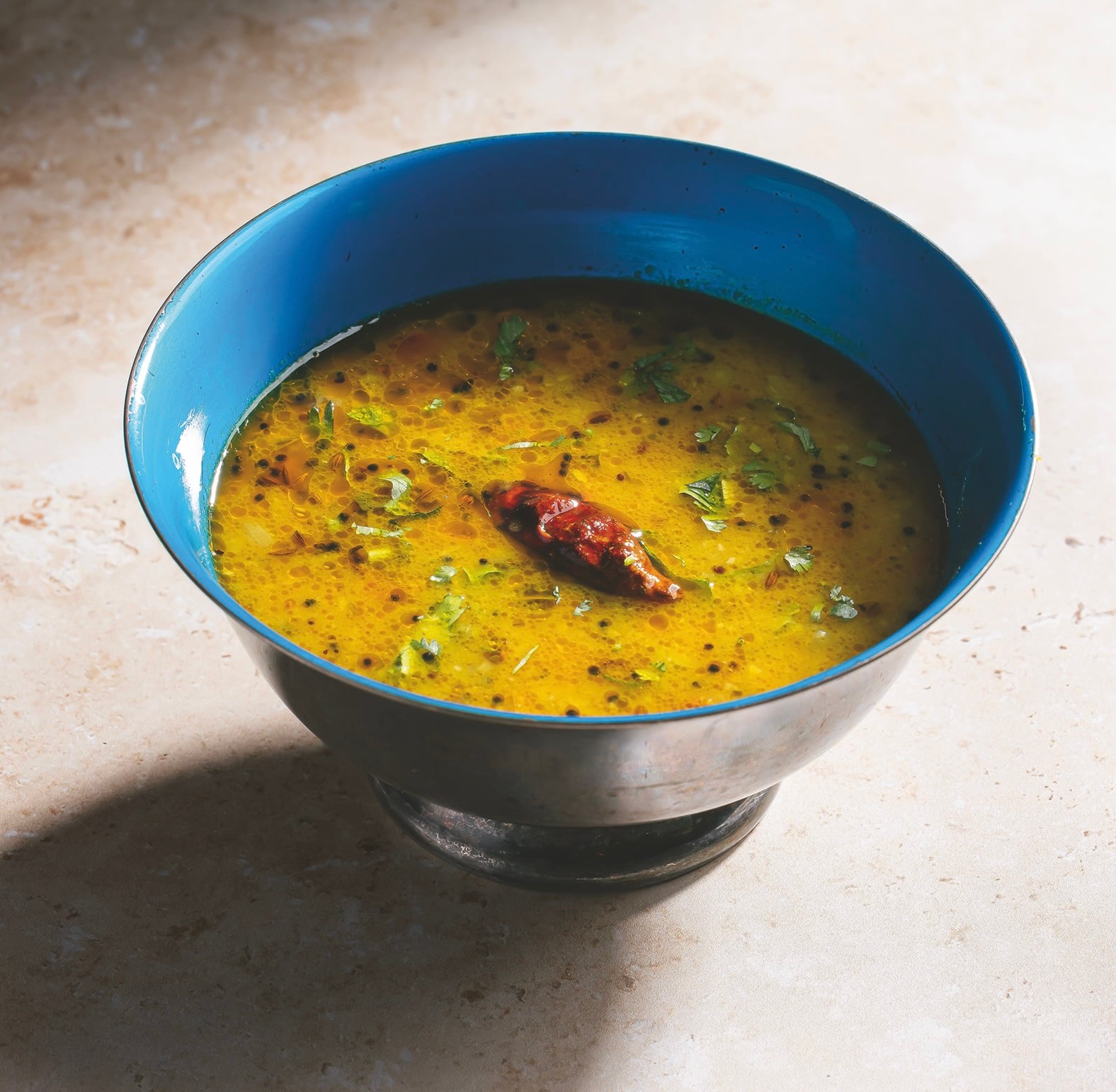
My Grandma’s Dal
Serves 4 to 6
India is the land of a thousand dals, and this recipe is my buoy in the vast sea of lentils washing across the subcontinent. My maternal grandparents, Shubudra and Kumar, grew basmati rice (along with wheat and sugarcane) in the fields outside of Dehradun, in the foothills of the Himalayas. I’d spend my summers on the farm with them to escape the heat of the Deccan Plateau.
Although they did occasionally eat meat, their day-to-day diet was almost exclusively vegetarian. I can close my eyes and remember sitting cross-legged on my grandma’s screened-in veranda, eating rice and dal out of a three-compartment metal thali, complaining to my mother (under my breath, of course) that this was boring and that I would rather have some biryani. I now wish I could smack little me on the head, because today, this dal represents everything I love about Indian home cooking.
This simple, hearty dal is made with both pink and yellow lentils — the former break down while the latter remain chunky — and features the use of tadka to flavor the whole lot. Dal is nutritious, filling, and keeps beautifully; serve it over freshly steamed basmati rice for the full effect.
Dal
1 cup masoor dal (split red lentils)
1 cup toor dal (split yellow lentils, aka pigeon peas)
1 1/2 teaspoons kosher salt
1/4 cup diced red onion (about ½ medium onion)
1/4 cup diced Roma tomatoes (1 to 2 tomatoes)
1 tablespoon dark brown sugar (optional)
Tadka
1/4 cup neutral oil, such as grapeseed
2 teaspoons mustard seed
2 teaspoons cumin seed
1 teaspoon ground turmeric
1/4 teaspoon hing (optional)
4 whole dried red chilies, such as Kashmiri (see below)
1 tablespoon peeled and finely minced fresh ginger (about a 1-inch knob)
1 tablespoon minced garlic (2 to 3 cloves)
1/4 cup diced Roma tomatoes (1 to 2 tomatoes)
Hot water, as needed
Combine both dals in a bowl and fill the bowl with water; agitate with your fingers to rinse and pour the rinse water off the top. You don’t have to use a strainer or colander, but three or four rinses this way should get rid of most of the starch and dust in the dal.
Once they’re rinsed, cover the dals with water and soak for a minimum of 10 minutes and up to 30 minutes. Soaking the dal helps it cook faster — the 10 minutes you invest up front will save you 20 minutes of cooking time later on, so it’s definitely worth it.
In a large heavy-bottomed pot, combine the dals with 8 cups of water and the salt; bring to a boil over medium-high heat. Once the water reaches a boil, add the onions, tomatoes, and brown sugar (if using), then reduce the heat to a simmer. Cover partially with a lid, leaving just a small crack for steam to escape. Cook, stirring occasionally, until the dal is soft enough to mash between your fingers, 25 to 30 minutes. You’ll notice a little scum or foam forming on top; scoop this off with a large spoon or ladle. The dal should thicken slightly as it cooks.
To make the tadka, heat the oil in a small sauté pan over medium-high heat until shimmering. Add the mustard seeds; when they start to wiggle and pop, turn the heat down to medium to avoid burning. (Make sure the oil is hot enough that the mustard seeds actually start to pop; otherwise they’re not flavoring the oil!)
As soon as the mustard seeds pop, turn the heat to low and add the cumin seeds, turmeric, hing (if using), and chilies. Almost immediately add the ginger and garlic. Allow those to sizzle for 1 to 2 minutes. Add the tomatoes and stir until they break down and the moisture evaporates, 4 to 5 minutes.
Pour the tadka into the pot with the dal and stir well to incorporate. Swish the tadka pot with ½ cup or so of hot water to get all the bits loose, and pour this into the dal. Stir well and cook, stirring occasionally, over medium heat for 2 to 3 more minutes to fully incorporate the flavors.
Serve with basmati rice and/or a spicy curry. Leftover dal keeps, tightly covered in the refrigerator, for up to 5 days.
*****
Plus, four other cookbooks I’m loving this month:
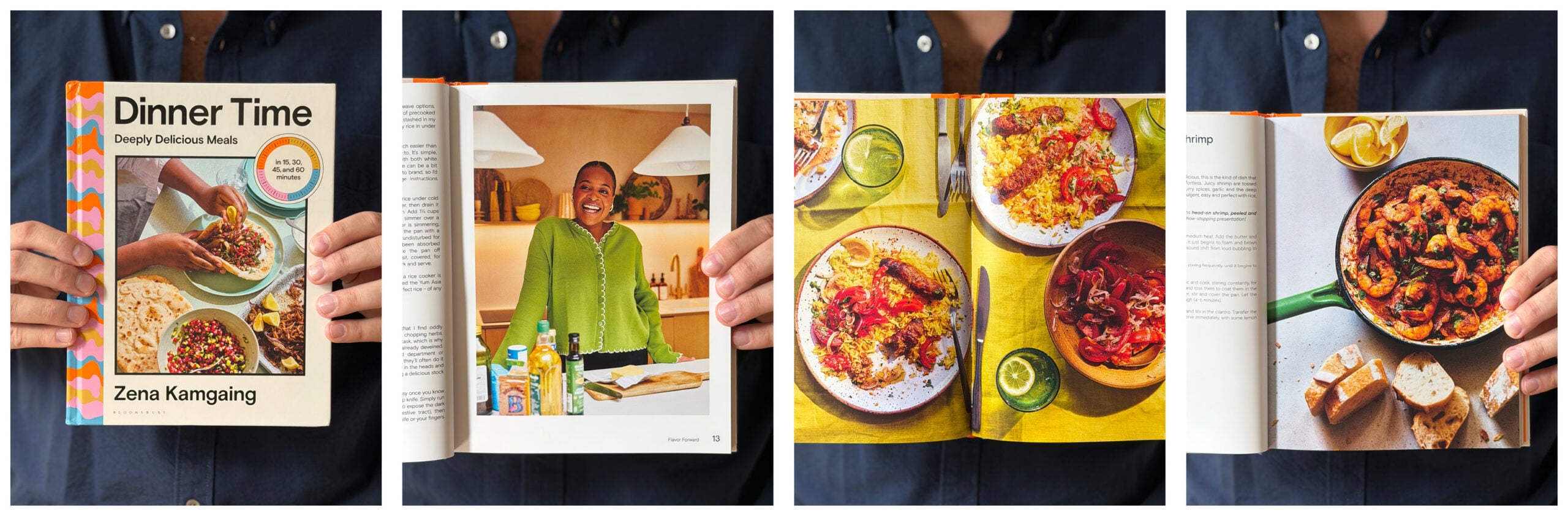
Dinner Time: Deeply Delicious Meals in 15, 30, 45, and 60 Minutes by Zena Kamgaing
Why I love it: I’m always suspicious when “quick” is the main selling point — what are we sacrificing in the name of time?! But Zena’s recipes are genuinely exciting, whether you’ve got 15 minutes to throw something together or a full hour to really get into it.
What I’m making: Curry Butter Shrimp, Gochujang Pork Lettuce Wraps, Peanut Butter Gyoza Noodles, Broccolini Caesar Pasta Salad (all from the 15 minutes chapter!)
Who it’s for: Anyone whose life is scheduled to the minute.
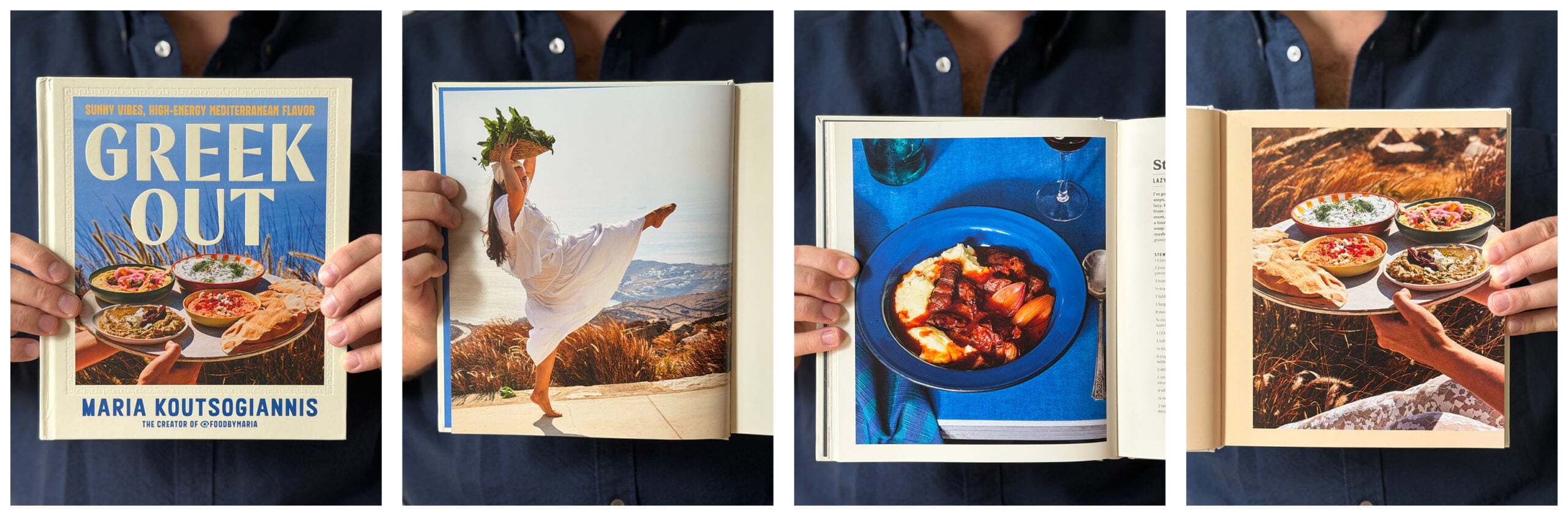
Greek Out: Sunny Vibes, High-Energy Mediterranean Flavor by Maria Koutsogiannis
Why I love it: I hold my cookbooks by Diane Kochilas, Aglaia Kremezi, and Vefa Alexiadou near and dear. Maria’s sun-soaked book of approachable meals feels like a natural next step for modern Greek cooking with an American accent.
What I’m making: Lemon-Feta Wings with Feta Ranch, Lemon Pasta with Toasted Almond Crumbs, Gigantes Plaki (Tomato-Simmered Butter Beans), Portokalopita (Orange Phyllo Cake)
Who it’s for: Anyone who wants to live Euro Summer™ all year round.
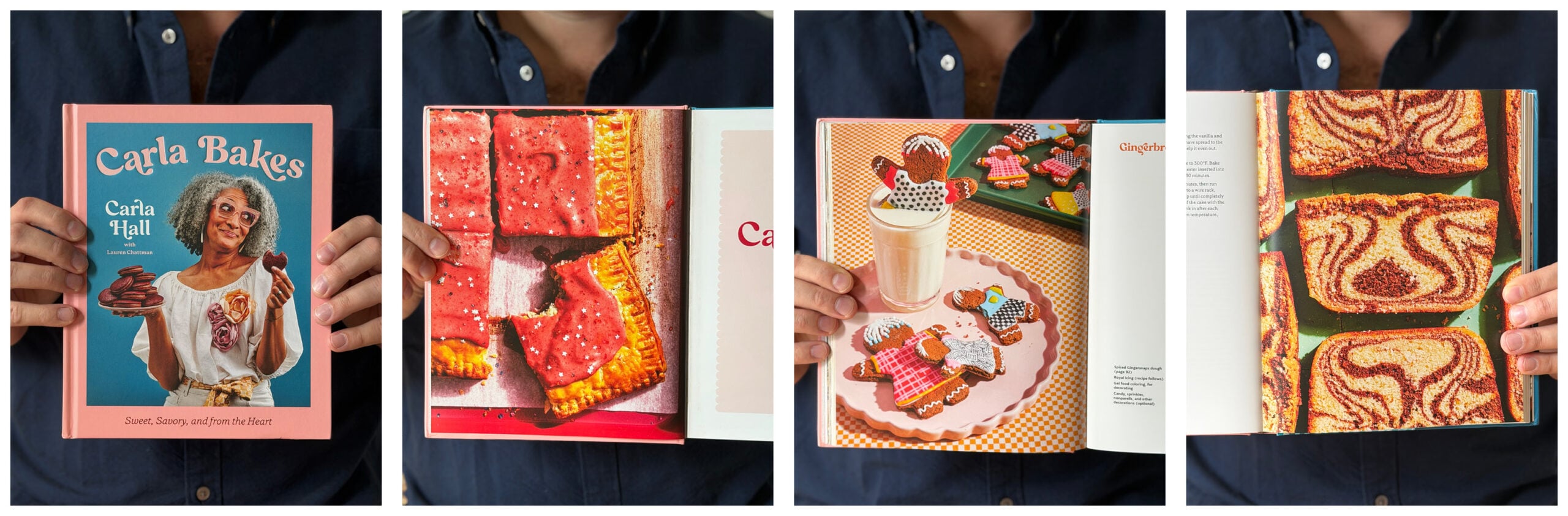
Carla Bakes: Sweet, Savory, and from the Heart by Carla Hall
Why I love it: It’s impossible not to love Carla, and her personality explodes across every page of her smart, inventive book. Her roots are Southern, but her beautifully unpredictable brain takes the recipes all over the map.
What I’m making: Scallion Biscuit and Sausage Gravy Casserole, Southern Pecan Crinkle Baklava, Pineapple Upside-Down Pie, and Lemon Meringue Cake
Who it’s for: Anyone who wants their treats to be a little more playful.
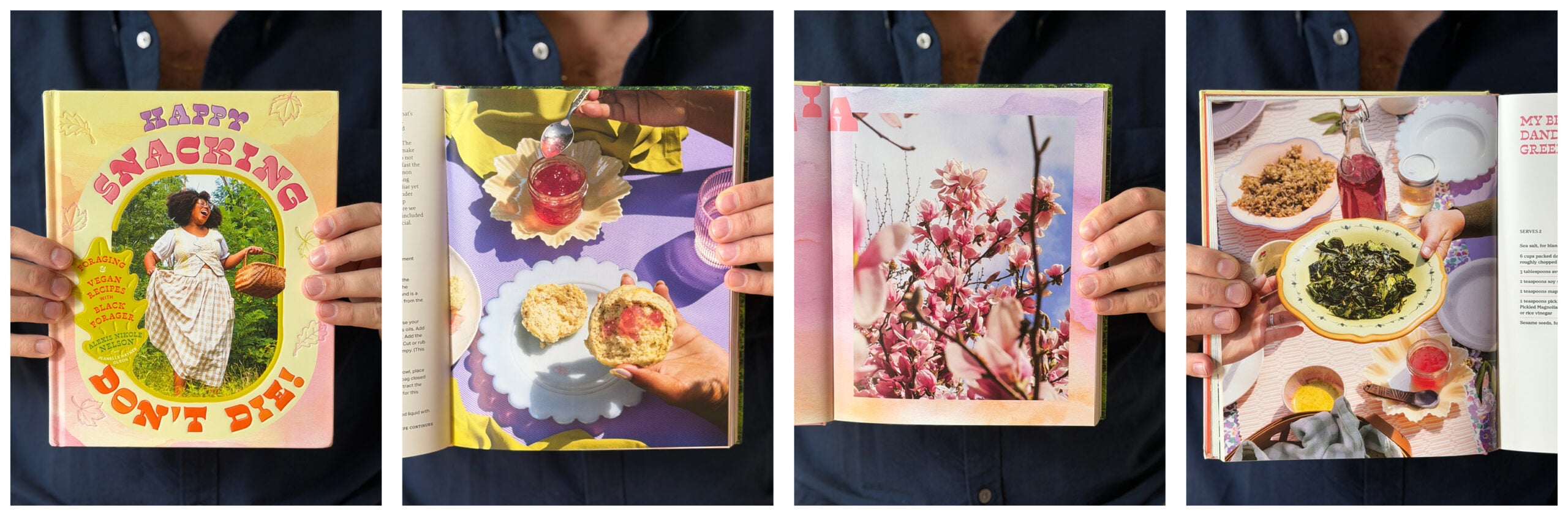
Happy Snacking, Don’t Die! Foraging and Vegan Recipes with Black Forager by Alexis Nikole Nelson with Jeanelle Hayner Olson
Why I love it: Alexis writes movingly about how foraging and wild foods connect her to generations of her family. And her book is also pure fun: the weeds and trees you’ve passed a thousand times suddenly feel like an (edible) treasure hunt.
What I’m making: Violet Lemonade, Fried Oyster Mushroom Po’Boys, Juniper-Cured Carrot Lox, Pine Shortbread Cookies
Who it’s for: Anyone who needs a reminder to go touch grass.
Casey Elsass is a food writer, recipe developer, and cookbook author based in Brooklyn. He is the author of the bestselling cookbook What Can I Bring?: Recipes to Help You Live Your Guest Life and has co-authored more than 30 cookbooks. His writing has appeared in publications including The New York Times, New York Magazine, Bon Appétit, NPR, Food52, and, of course, Cup of Jo.
P.S. Nine cookbooks that earn their keep, and how writing a cookbook taught me what home really means.
(“No. 1 Best Indian Cookbook in the World” text copyright © 2026 by Meherwan Irani. Photographs copyright © 2026 by Tim Robison, Poras Chaudhary, and Mikey Files. Photograph on page 2, copyright © 2026 Mehera Kleiner. Photographs on pages 193 and 257, copyright © 2026 Daniel Peach. Illustrations copyright © 2026 by Mikey Files. Published by Ten Speed Press, an imprint of the Crown Publishing Group, a division of Penguin Random House LLC. Portrait of Casey with cookbooks and all other photos by Pacifico Silano.)